As the temperature drops and we spend more time indoors, coughs, colds and other respiratory infections tend to become more common. This often leads to increased interest in “immune-boosting” foods, drinks and supplements.
However, the immune system is far more complex than a switch that can simply be turned up. In fact, more immune activity is not necessarily better. A well-functioning immune system needs to recognise potential threats, respond appropriately and then settle down once the threat has passed.
A more realistic goal is therefore to support normal immune function and provide the body with the nutrition, rest and recovery it needs throughout the winter.
Here are some of the most important areas to consider.


Why winter can be challenging
Winter creates several conditions that can increase our exposure to seasonal infections.
We generally spend more time indoors and in closer contact with other people, often with less ventilation. Shorter days can affect our sleep-wake cycle, while colder weather may reduce how much time we spend outside or being physically active.
Our routines can also change. Comfort foods become more appealing, social occasions may involve more alcohol, and busy end-of-year schedules can affect sleep and stress levels.
These factors do not automatically mean that your immune system becomes weak during winter. However, they can create additional demands on the body and make it more difficult to maintain the habits that support our overall health.
Build your meals around variety
There is no single food that can prevent you from becoming ill. Instead, immune health is supported by an adequate and varied diet that supplies the energy, protein, vitamins, minerals and plant compounds the body needs.
A simple way to structure your main meals is to include:
Around half a plate of vegetables or other plant foods
A good source of protein
A fibre-rich carbohydrate
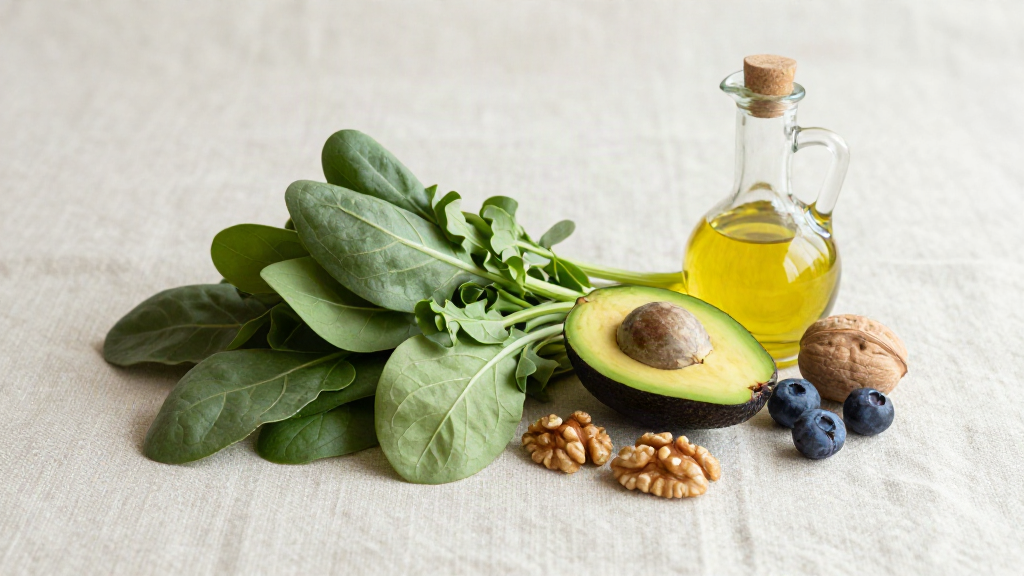
A small amount of healthy fat
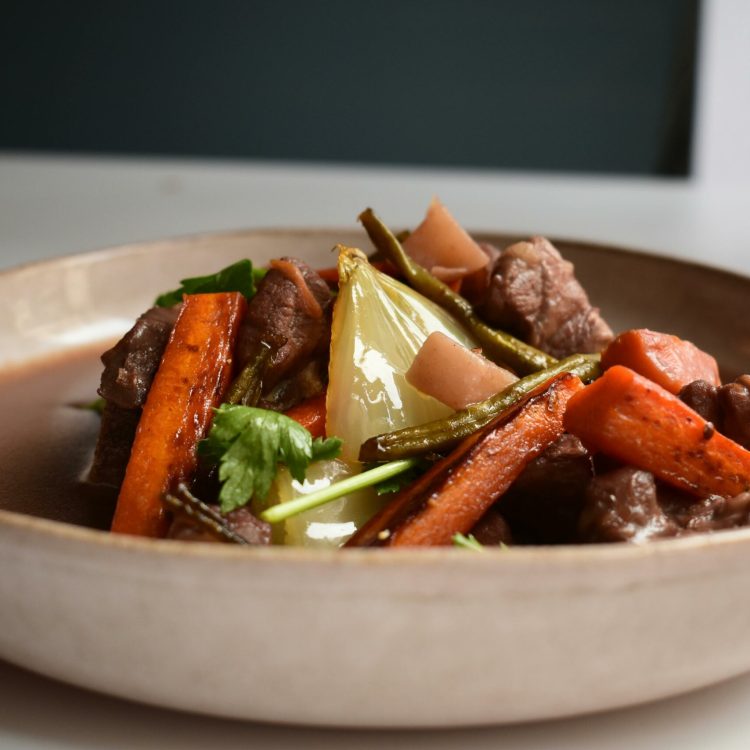
Winter meals such as soups, stews, curries, casseroles and traybakes make this easier than it might sound.
Frozen vegetables, tinned beans, lentils, whole grains and tinned tomatoes are convenient and nutritious options. Eating well during winter does not require expensive ingredients or large quantities of fresh salad.
Try adding one additional colour to lunch and dinner. Over the course of a week, this can naturally increase the variety of nutrients and plant compounds in your diet.
Include enough protein
Protein provides amino acids that the body uses to build antibodies, enzymes and many of the cells involved in the immune response.
Protein can be particularly important for older adults, people with a low appetite, anyone following a restrictive diet and those attempting to lose weight through a very low-calorie approach.
Useful protein sources include:
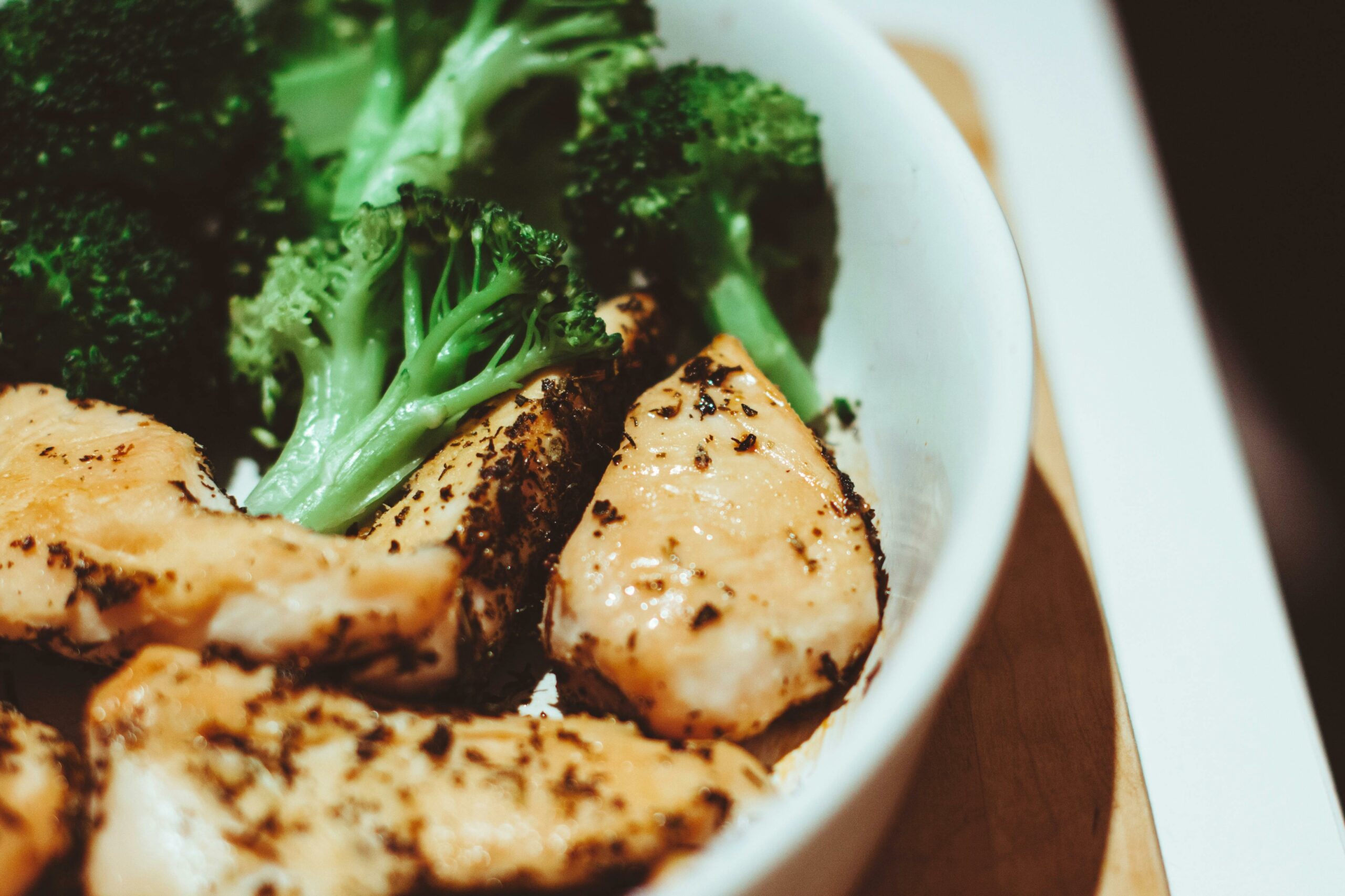
Fish and seafood
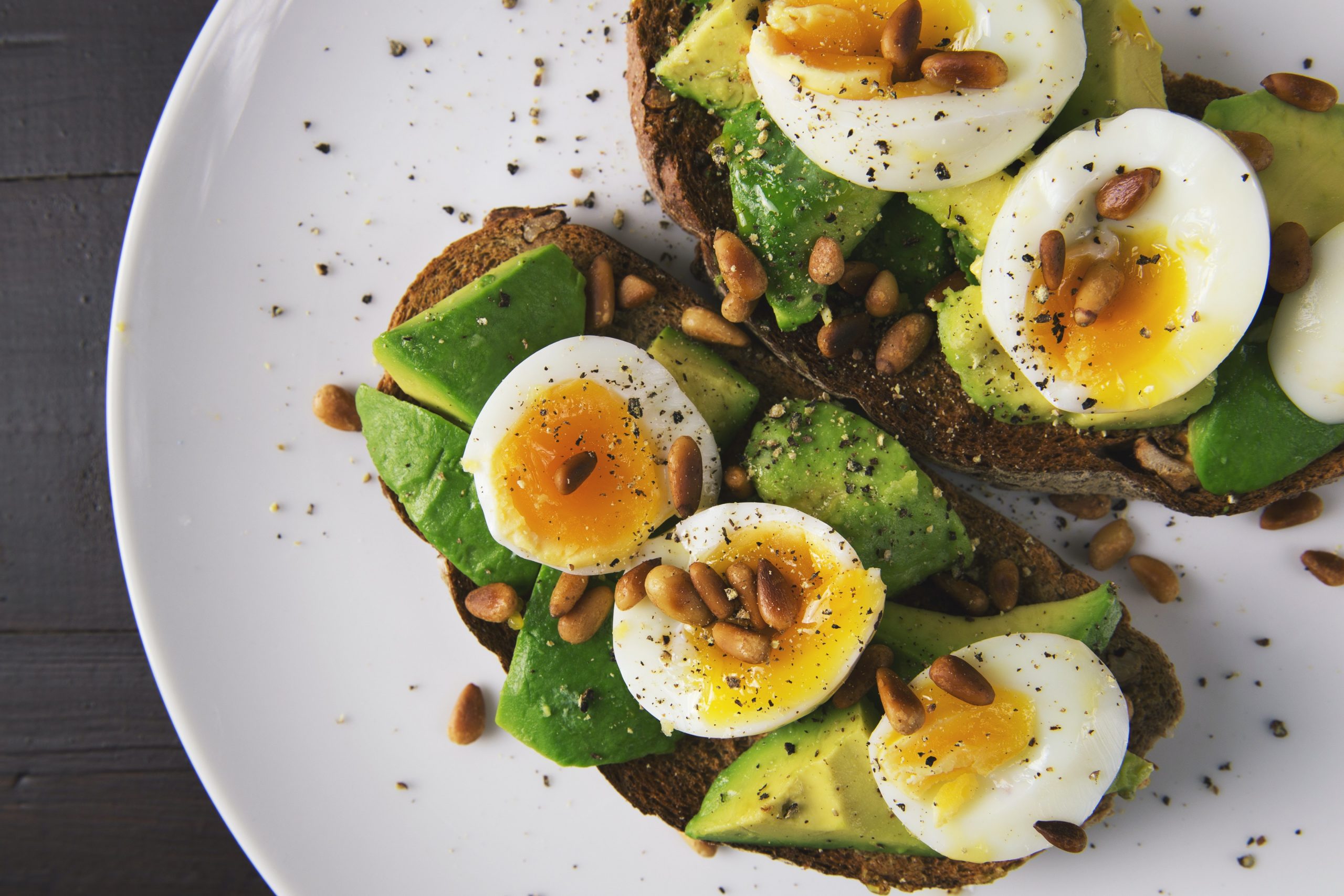
Eggs
Poultry and lean meat
Greek yoghurt, cottage cheese and other dairy products
Tofu and tempeh
Beans, chickpeas and lentils
Nuts and seeds
Aim to include a meaningful source of protein at each main meal rather than relying on one protein-heavy evening meal.
Seasonal Tips
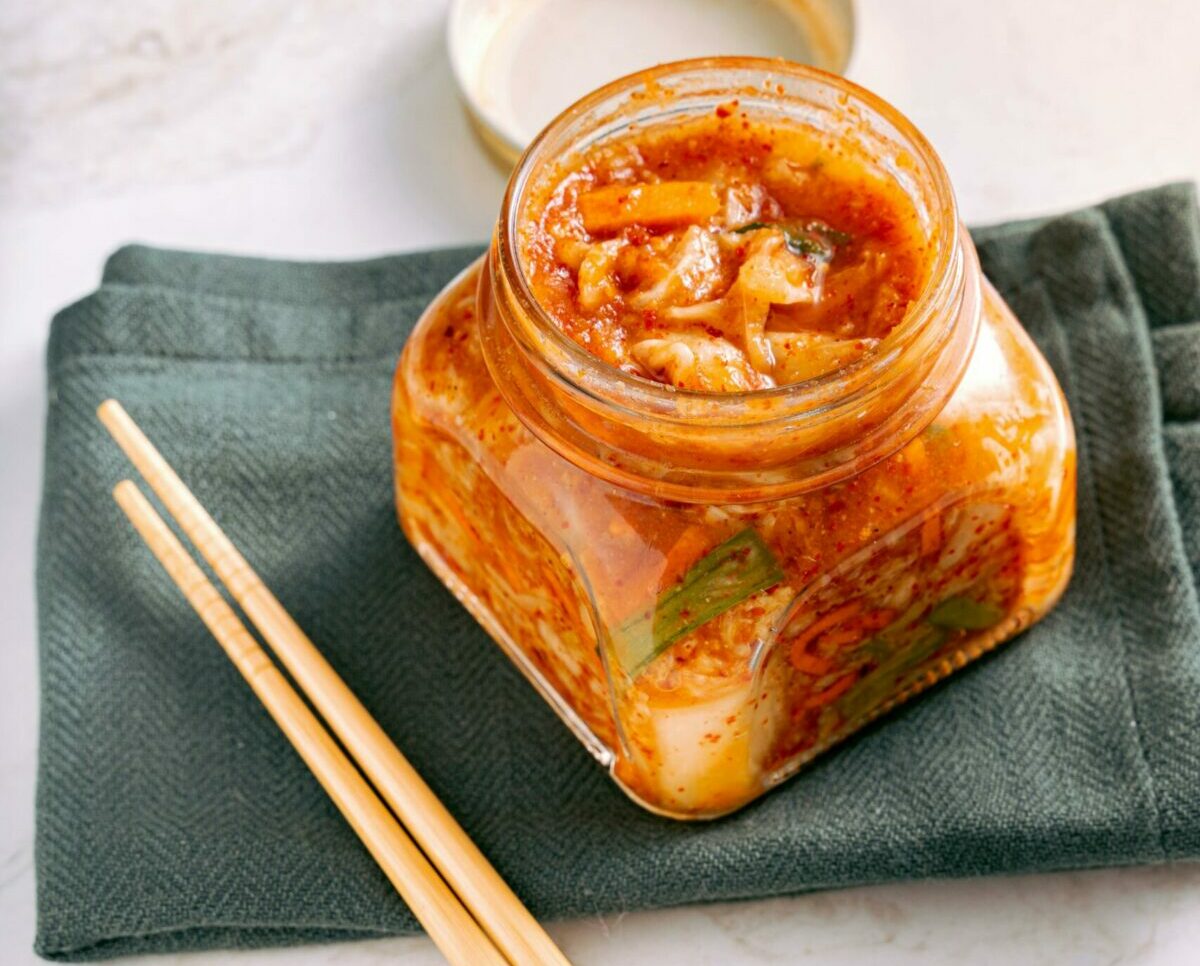
- Support your wider gut environment – the digestive tract is closely linked to the immune system.
- Protect your sleep – Sleep is an active period of repair and immune regulation
- Balance movement with recovery – regular physical activity supports general health, sleep, mood and metabolic function.
- Manage stress load – It is
unrealistic to remove all stress from life, but we can improve our ability to recover between periods of demand.
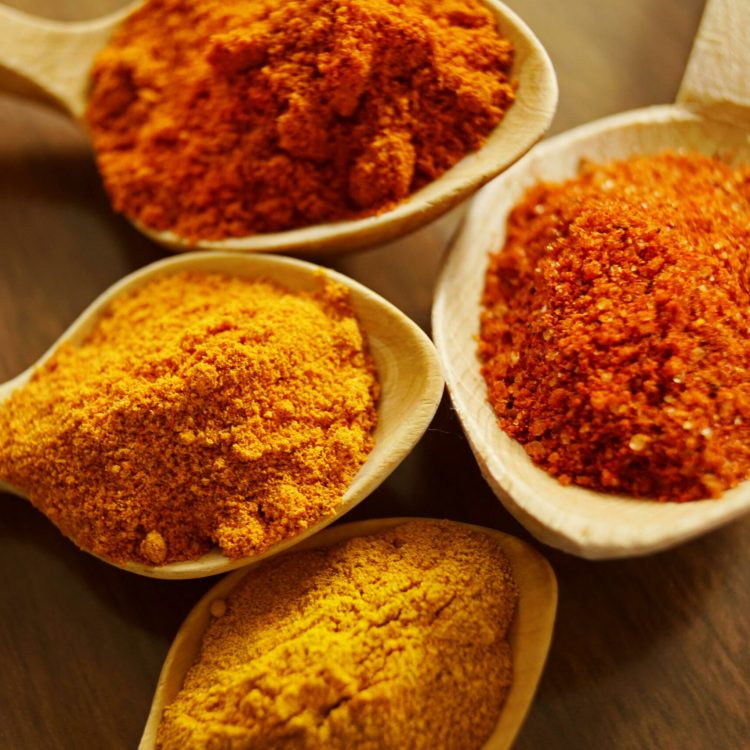
- Seek out different herbs and spices to pack a punch of flavour and a boost of immune system loving phytonutrients.
If you’d like a heartwearming recipe, click the link below!