Perimenopause can arrive quietly, or all at once. Your cycle shifts, sleep becomes more fragile, energy dips in the afternoon, and the body you have lived in for decades starts to feel unfamiliar. It is a lot to hold – and it is rarely explained well. This guide is a calm starting point: what actually changes, and how to eat in a way that supports you through it, without fad diets or rigid rules.


What is perimenopause, and why nutrition matters now
Perimenopause is the transition leading up to menopause, when oestrogen and progesterone begin to fluctuate and then decline. It can start in your late thirties or forties and last several years. Because those hormones influence far more than the menstrual cycle – they shape blood sugar handling, muscle and bone maintenance, sleep, mood and body composition – the same way of eating that served you at thirty may not serve you quite so well now.
That is not a failing. It is physiology. Nutrition will not stop the transition, and no supplement or food plan can. What it can do is steady the ground beneath it: supporting energy, protecting bone and muscle, easing some symptoms, and helping you feel more in control of a process that can feel anything but.
Protein: the foundation most women are missing
If you change one thing, make it this. From around your forties, muscle mass declines more readily, and oestrogen’s protective role fades. Protein is what helps preserve that muscle – and muscle is what keeps metabolism, strength and balance intact as you age.
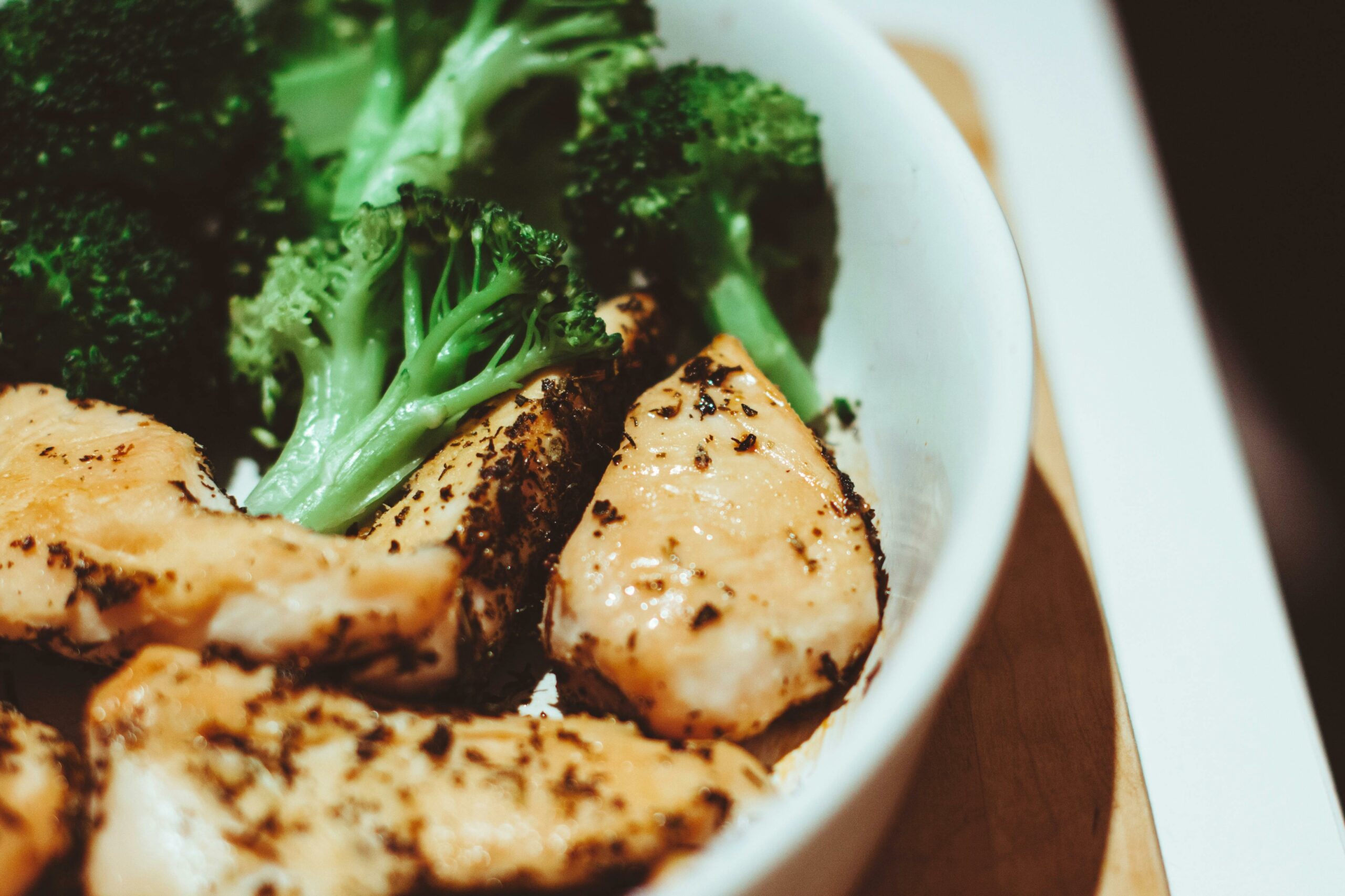
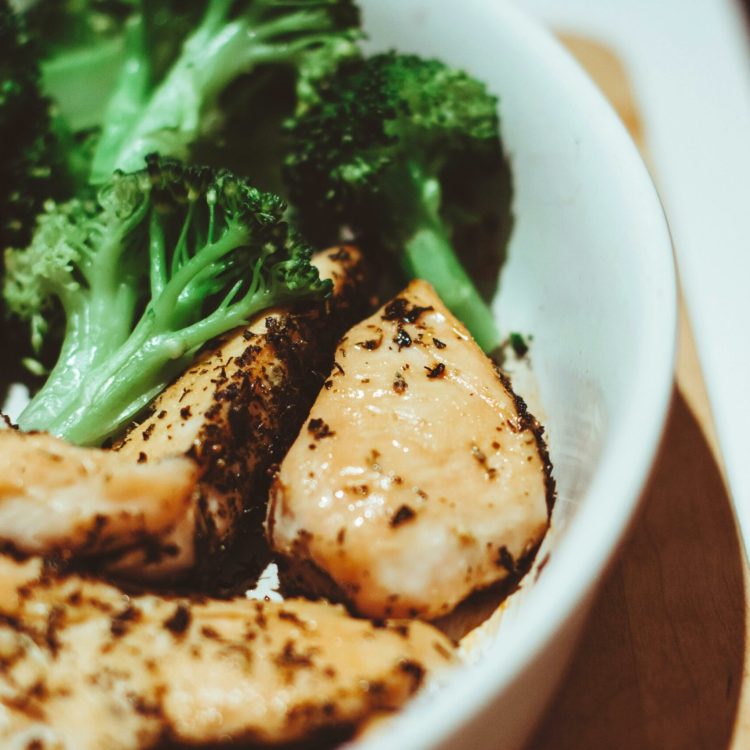
As a rough guide, aim for a source of protein at each meal rather than saving it all for dinner: eggs at breakfast, Greek yoghurt or cottage cheese, fish, chicken, tofu, tempeh, beans, lentils or a good-quality protein powder. Spreading it across the day tends to be more useful for muscle than one large serving in the evening.
Many women find they simply are not eating enough. If you suspect that is you, this is a conversation worth having rather than guessing – requirements vary with your body, activity and health history.
Fibre, blood sugar and the mid-afternoon crash
Fluctuating hormones can make blood sugar less stable, which is why so many women notice new energy dips, cravings, or waking at 3am. The answer is not cutting carbohydrates. It is choosing them thoughtfully and pairing them well.
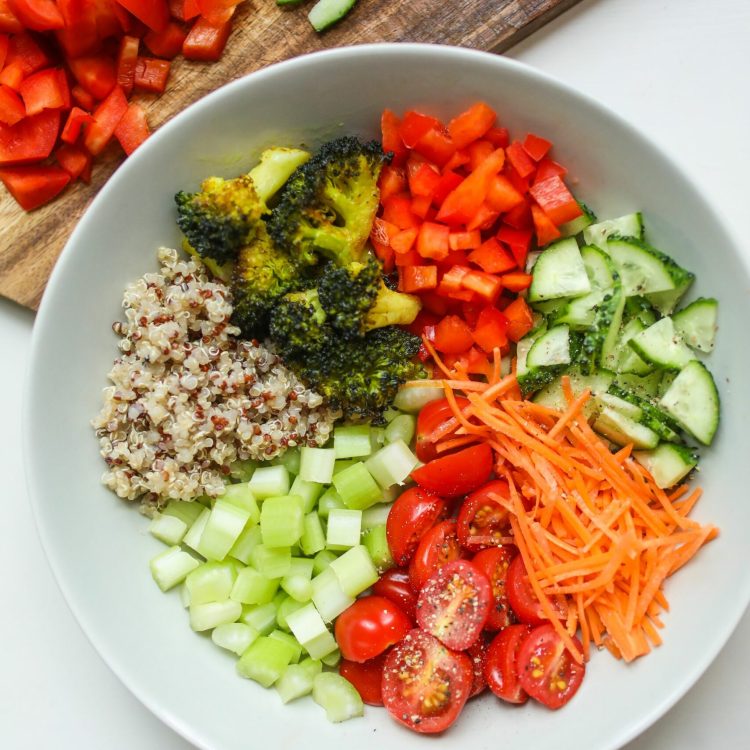
Fibre is your ally here. It slows the release of glucose, feeds beneficial gut bacteria and supports the digestive changes many women notice during this transition. Build meals around:
- Vegetables in volume – leafy greens, cruciferous vegetables, colourful peppers
- Whole grains such as oats, quinoa, barley and brown rice
- Legumes – lentils, chickpeas, beans – which bring fibre and protein together
- Fruit, especially with skin, and a handful of nuts or seeds
Pairing carbohydrate with protein, fat and fibre is what keeps energy steadier. A breakfast of toast alone behaves very differently to the same toast with eggs and avocado.
Bone health: building for the decades ahead
Bone loss accelerates as oestrogen falls, which makes this a decisive window for protecting your skeleton. Calcium and vitamin D matter, and so does the protein that gives bone its structure.
Good calcium sources include dairy, tinned fish with bones, tofu, almonds, leafy greens and fortified plant milks. Vitamin D is harder to get from food alone, particularly in the UK through winter, so many women benefit from a supplement – worth discussing rather than self-prescribing. Weight-bearing movement matters too; nutrition and movement protect bone together.
Gut health, mood and the gut-hormone connection
Oestrogen is metabolised partly by the gut, and the microbiome influences how it is recycled. This is one reason gut health and hormonal health are so entwined – and why bloating, irregularity and mood shifts often travel together.
Fermented foods such as yoghurt, kefir, sauerkraut and kimchi, alongside plenty of plant variety, support a diverse gut. You do not need perfection here. Aim for variety over any single “superfood” – the research favours breadth of plant foods across the week.
What to be cautious about
- Alcohol and caffeine can worsen hot flushes and disturb sleep for many women
- Ultra-processed foods and blood-sugar spikes can amplify fatigue and cravings
- Restrictive diets rarely help mid-life; cutting whole food groups often backfires
- Supplements marketed for menopause are not a substitute for a considered diet


A practical handful of first steps
None of this has to be overwhelming. If you are at the start, pick two or three:
- Add a protein source to breakfast.
- Get vegetables into lunch, not just dinner.
- Pair carbohydrates with protein or fat rather than eating them alone.
- Increase plant variety across the week.
- Protect your sleep and reduce alcohol where you can.
Start where you are. Small, steady changes sustained over months do more than an ambitious overhaul abandoned by February.
When to seek personalised support
Perimenopause is not a template. Your symptoms, history, gut health, stress load and goals are yours alone – and so is the plan that will serve you. General advice is a beginning, not an answer.
As a nutritional therapist, I work one-to-one with women through this transition, using a structured, evidence-based approach rather than a generic menu. If you would like to feel steadier, clearer and more supported as your body changes, I would love to hear from you.