Protein has become the headline nutrient of the moment, yet most of the advice circulating online is written for a gym-going, twenty-something audience. For women in their thirties, forties and fifties, the story is quieter and more personal. Protein needs shift with age, stress and hormonal change, and the signals your body sends when it wants more are rarely dramatic. They show up as low energy, slow recovery, thinning hair or a nagging sense of running on empty.
Working with clients one-to-one, I see these signs misread as ‘just being tired’ or ‘part of getting older’. Often they point to something far more fixable. Here are eight everyday signs worth paying attention to – and what to do if you recognise yourself in several of them.
Learning how to balance blood sugar is not about removing every carbohydrate from your plate or following something rigid. It is about giving your body a steadier supply of energy across the day, so your mood, focus and appetite stop swinging. Below is how I approach it with clients, in the order that tends to matter most.

Why protein needs change with age, stress and hormonal change
Protein is not only about muscle. It builds the enzymes, hormones, neurotransmitters and immune cells that keep every system in balance. From around our thirties, muscle mass begins to decline gradually, and the body becomes less efficient at using the protein we eat. Stress and hormonal transitions – including perimenopause and menopause – add to that demand, as does any period of poor sleep, illness or calorie restriction.
The result is that the amount of protein that served you well at twenty-five may no longer be enough at forty-five. That is not a failure of willpower. It is biology, and it responds well to a considered, individual approach.
1. Persistent fatigue and afternoon energy dips
Protein is metabolically expensive to digest, which means it releases energy slowly and steadily rather than in a sharp spike. When intake is low, many women find their energy crashes in the early afternoon, often reaching for something sweet to get through the day.
2. Feeling hungry again soon after eating
If a meal leaves you unsatisfied an hour later, it is often light on protein. Protein supports the hormones that signal fullness, so a breakfast built on toast and fruit alone rarely keeps hunger at bay until lunch.
3. Slow recovery after exercise or everyday exertion
Protein repairs the muscle fibres broken down through movement. When recovery drags on – a workout that used to be easy now leaves you sore for days, or a long walk feels unexpectedly taxing – intake may be part of the picture.
4. Loss of strength or changes in body composition
A gradual loss of muscle with age is normal, but it can be slowed. If you notice you are weaker than you used to be, or that your body shape is changing even though your weight is stable, protein and resistance work together make a real difference.
5. Thinning hair, brittle nails and dull skin
Hair, skin and nails are built largely from protein. When the body is short, it prioritises vital functions, and these visible tissues are among the first to show the strain. Shedding more than usual or nails that break easily are common clues.
6. More frequent colds or slow-healing wounds
Antibodies and immune cells are proteins. A run of infections that seem to linger, or small cuts that take longer than they should to heal, can reflect a diet that is not keeping pace with your body’s repair needs.
7. Cravings and difficulty staying steady between meals
Protein helps regulate blood sugar and appetite. When it is low, cravings – especially for refined carbohydrate and sugar – tend to rise, and with them the cycle of peaks and crashes that leave you reaching for more.
8. Brain fog and low mood
The neurotransmitters that govern focus and mood are made from amino acids, the building blocks of protein. Women often describe a particular kind of fog during hormonal transitions; supporting protein intake is one of the levers worth pulling.
How to raise your intake gently with real, everyday foods
You do not need powders or a dramatic overhaul. In clinical practice I start with the plate, not the supplement shelf. Aim for a palm-sized portion of protein at each meal, spread across the day rather than saved for dinner.
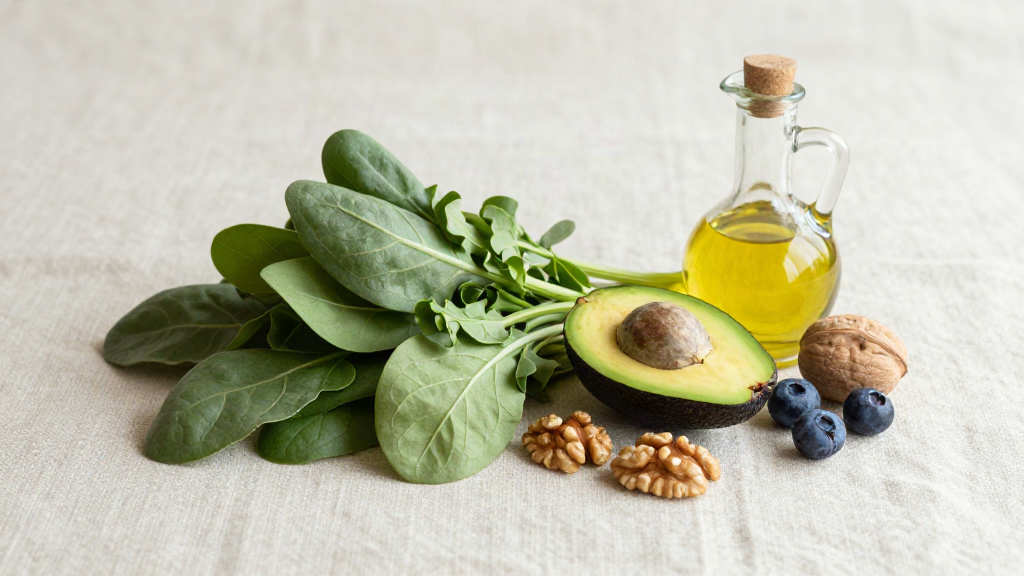
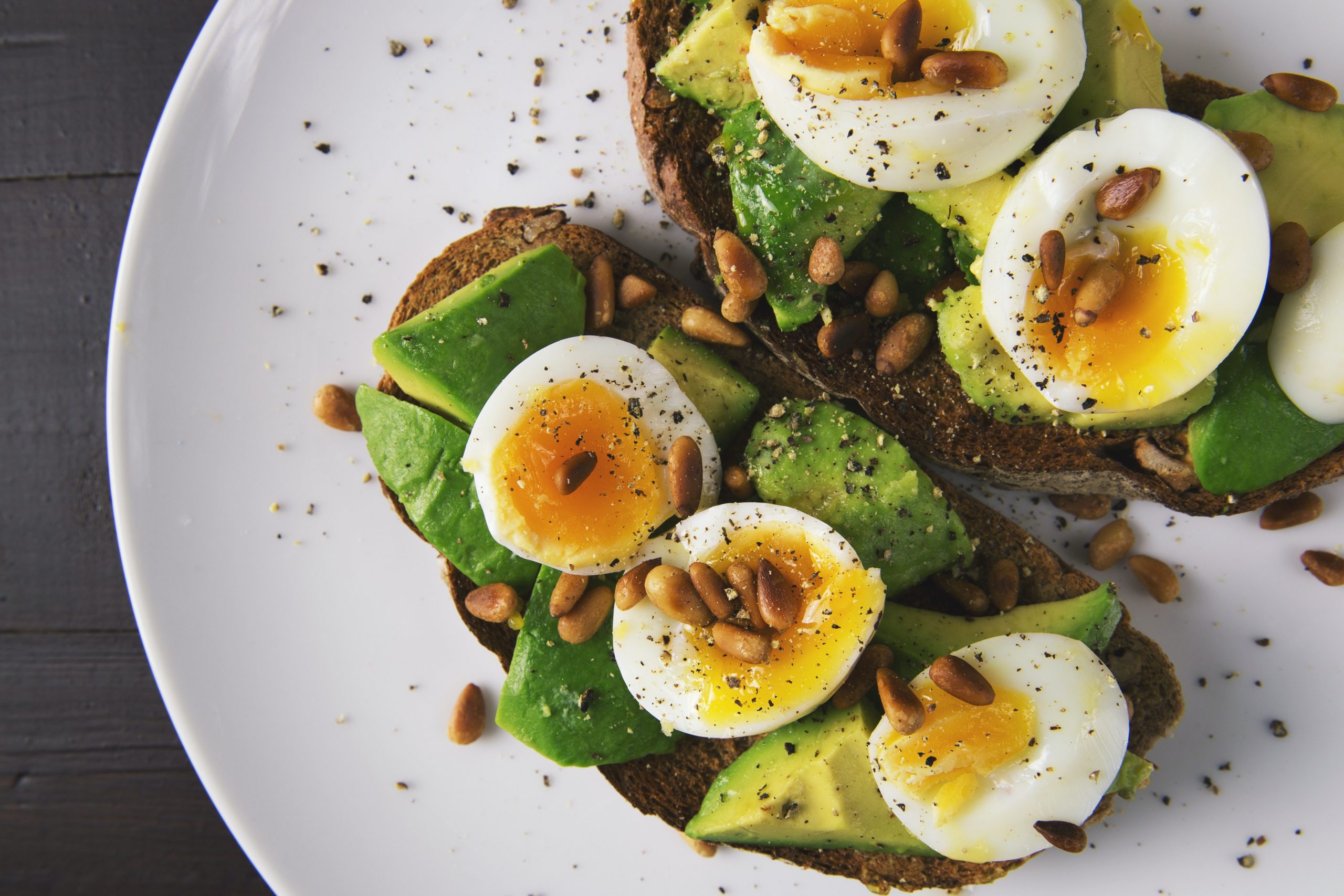
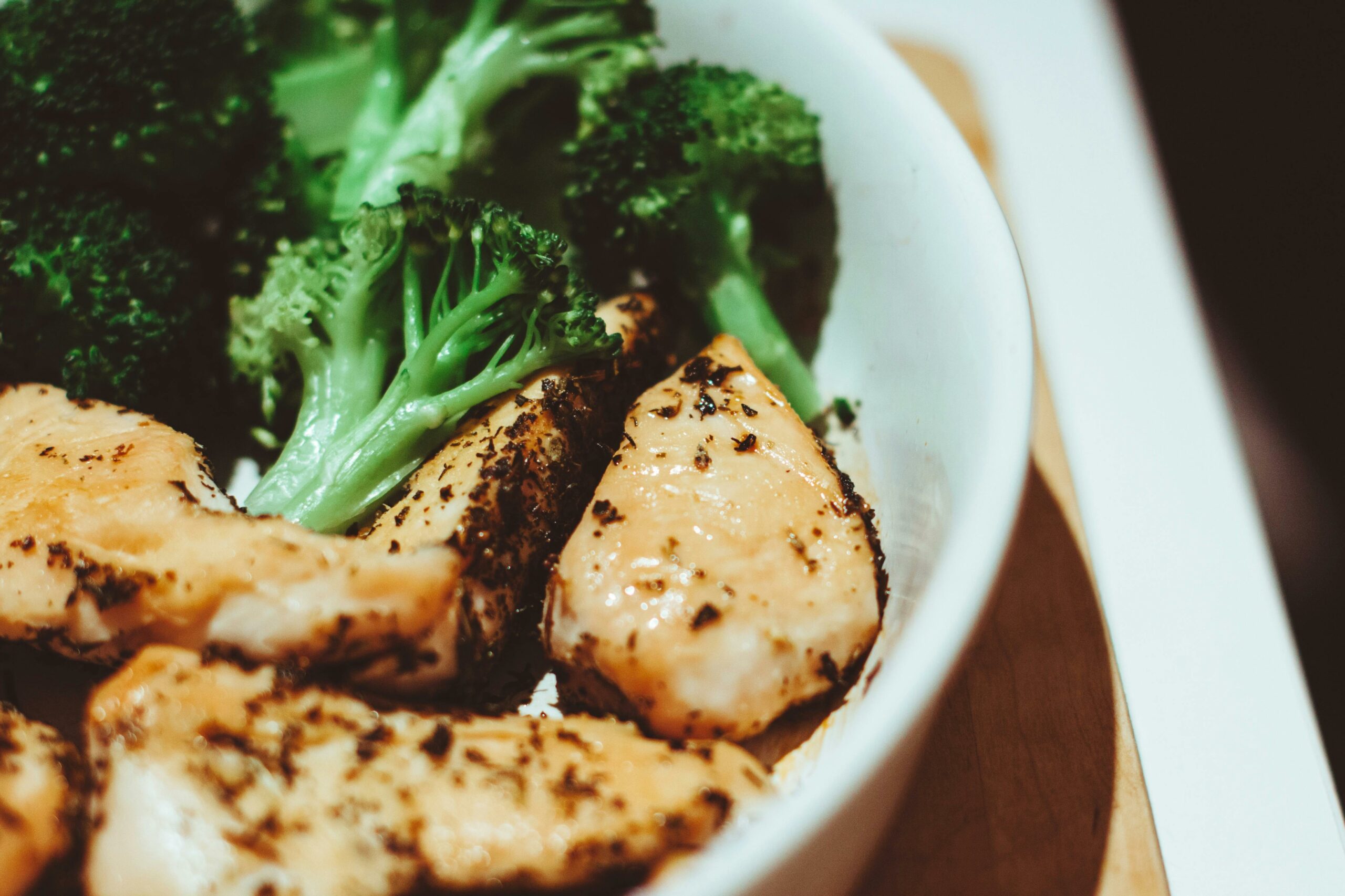
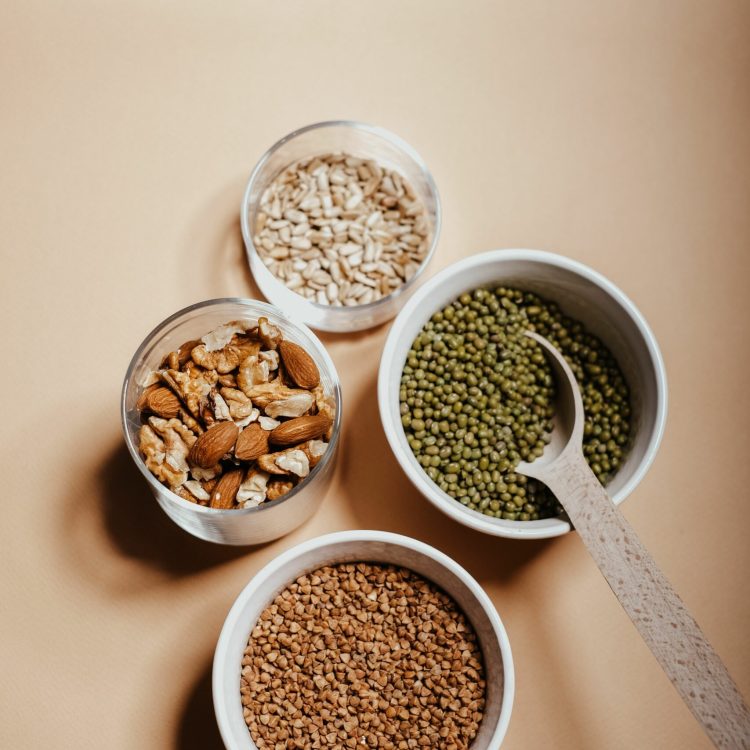
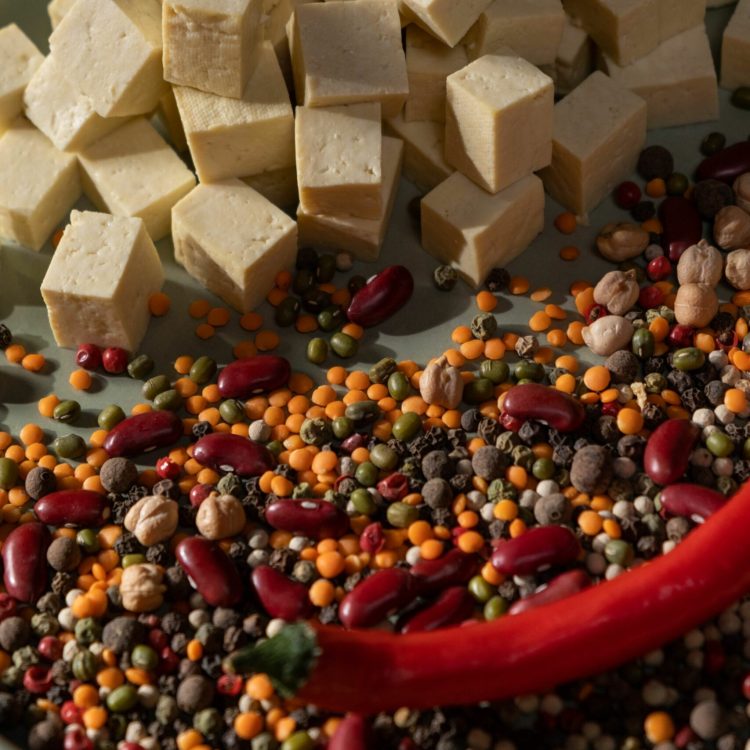
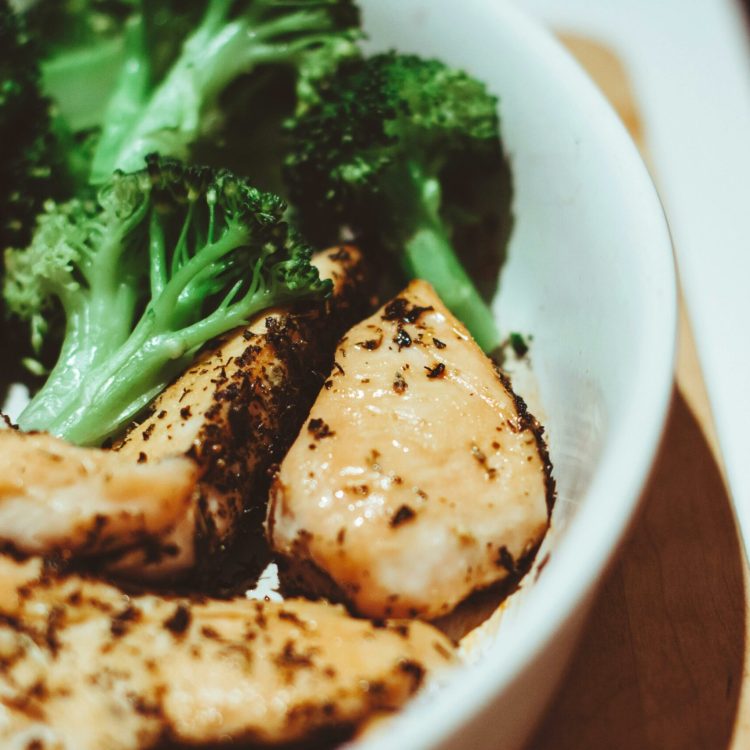
Everyday foundations include eggs, Greek yoghurt, cottage cheese, salmon and other oily fish, lean poultry, lentils, chickpeas, tofu and tempeh. A handful of nuts or seeds, or a spoonful of nut butter, is an easy way to lift a lighter meal. If you follow a plant-forward diet, combining beans, grains and soy foods across the day helps you cover the full range of amino acids.
If your appetite is small, it helps to build protein into the meals you already enjoy rather than adding extra ones. Stir an egg into your morning oats, add lentils to a soup, or keep a boiled egg and some yoghurt to hand for the moments you tend to reach for something else.
A note on supplements: protein powder can be a convenient addition, but it is not a substitute for a thoughtful diet, and the right amount depends entirely on you. This is where personalised, evidence-based guidance earns its place.
When to seek personalised support
If you recognise yourself in several of these signs, the most useful next step is not to guess but to look at the whole picture – your history, your symptoms, your blood markers and your daily plate. That is exactly what a one-to-one nutritional therapy programme is for.
If what you notice is that your symptoms run deeper than a few tweaks can reach, that is exactly the work I do. A clinical approach, rooted in empathy, built around your body and your life. I would love to hear from you, and to help you find a steadier, calmer way of eating that lasts.